Idyllic Japan

Showcasing its exquisite beauty and distinctive culture, these less-visited destinations will bring you closer to the ‘real’ Japan


Here’s a snapshot of what to expect of this one-of-a-kind destination, and where the real Japan comes to life:

Akita

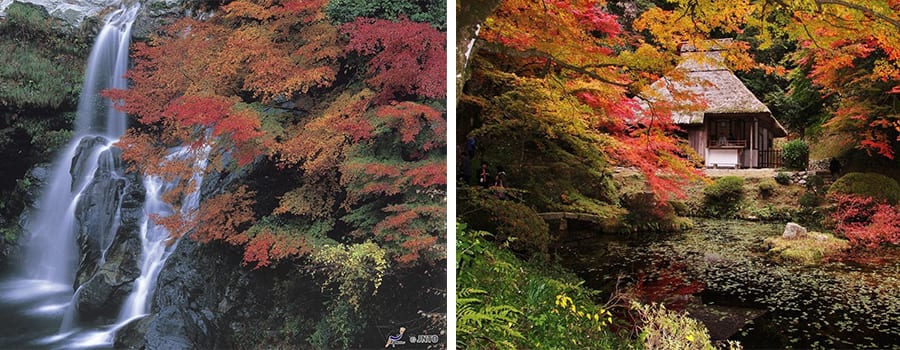
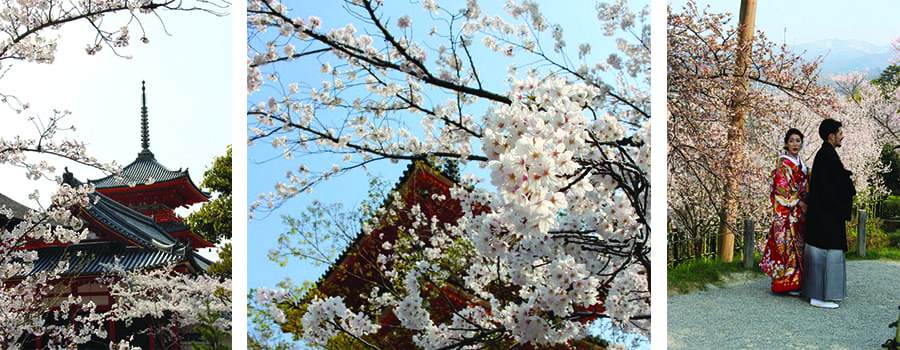
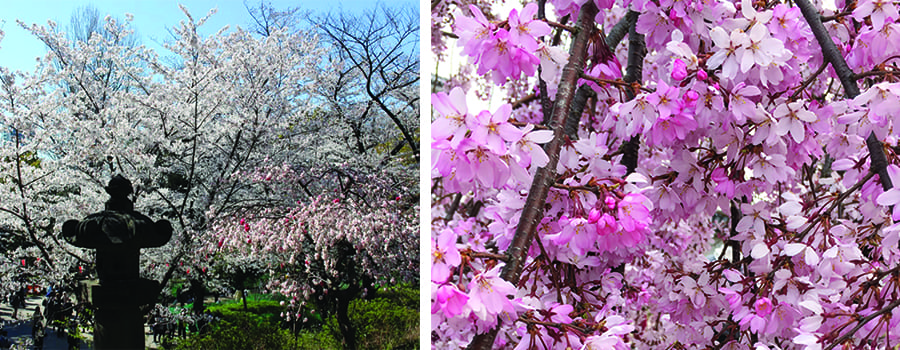
Tucked away in the far north, culture buffs love Akita for many reasons. One is that the rustic town, dubbed Japan’s ‘True North’, is as far away from the country’s big cities as you can get. Also, many of its attractions are natural wonders, including the UNESCO World Heritage Site Shirakami Sanchi, where you can see Japan’s last remaining virgin beech forests. If you happen to cruise in spring, it’s also a top spot for viewing the cherry blossoms.

Hiroshima

Hiroshima was the site of the world’s first atomic bomb attack in 1945, but today it’s a thriving modern city. One of its most popular attractions is the centuries-old Itsukushima Shrine on Miyajima Island, instantly recognisable for its red, floating torii gate. It’s also famous for okonomiyaki, a delicious pancake made with flour, egg, cabbage, pork, shrimp or seafood topped with sweet sauce, mayonnaise, dried seaweed and dried fish flakes.

Miyazaki 

Miyazaki is a popular honeymoon destination for locals, thanks to its balmy climate and lovely beaches. It is home to several ancient shrines, the most important being the Miyazaki-jingu Shrine, built 2600 years ago to honour the former Emperor Jimmu. Miyazaki is also famous for a local tipple called shochu, which is similar to vodka. One of the best places to try shochu is at the Shusen-no-Mori brewery in nearby Aya.

Aomori

Aomori’s autumn foliage is captivating, especially when viewed from a cable car flying across the top of the Hakkoda Mountains. The ‘land of apples’ is also a gateway to uniquely Japanese attractions, including the ancient Hirosaki Castle, which is surrounded by cherry trees, and the Sannai-Maruyama archaeological site that showcases the reconstructed foundations of a Jomon-era settlement.

Kanazawa

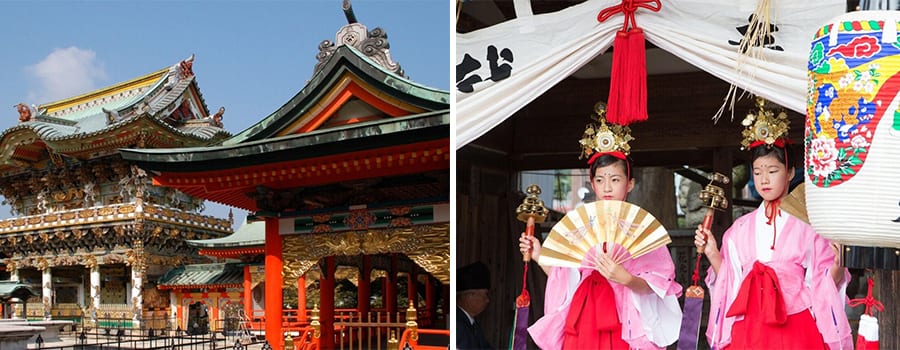
This charming fishing port, called ‘Little Kyoto’ by locals, has much to offer the culturally curious visitor — teahouses in Higashi Chaya district, the Nagamachi Samurai District, and the Ninja Temple. Top of your list, however, should be the Kenroku-en garden; built during the Edo period, it is considered to be one of the three most beautiful gardens in Japan.Toba

Toba is nestled at the north-eastern end of the Shima Peninsula, a castle town and seaside city where locals believe that gods reside. It’s also a gateway to the magnificent Ise-jingu shrine, a collection of 125 sacred shrines that spans an area the size of the centre of Paris. More than 1500 rituals are held here every year, for the prosperity of the Imperial family and world peace.

Otaru

Walking among Otaru’s network of canals, it’s impossible not to be enchanted by beautiful heritage buildings and mansions that bring Japan’s history to life. Located near Sapporo, it’s also a popular spot for anyone who has a sweet tooth – the town has lots of irresistible bakeries.

Okinawa

Having its own language, music, traditions, arts and crafts makes the Okinawa group of islands distinctly different from mainland Japan. A key attraction for visitors is Shuri Castle – a former hilltop palace of the Ryukyu Dynasty, the UNESCO World Heritage Site was almost destroyed in the Battle of Okinawa. It is now home to lovingly restored buildings.Tokushima

This 16th-century castle town is best known for a colourful mid-August dance festival, Awa Odori, which attracts many spectators and dancers for the traditional ‘Fool’s Dance’. Tokushima is also blessed with natural wonders, including the spectacular gorge and intricate vine bridges of the remote Iya Valley, and the whirlpools of Naruto.

Hakodate

Hakodate, which sprawls across two bays, is famous for views of towering Mount Hakodate – accessible by the Ropeway cable car– spectacular landscapes and superb fresh seafood. On any given day here you can wander past historic red-brick warehouses on the waterfront, explore the architecture of the Motomachi district, or walk through Fort Goryokaku, a huge star-shaped citadel and Japan’s first Western-style fortress.

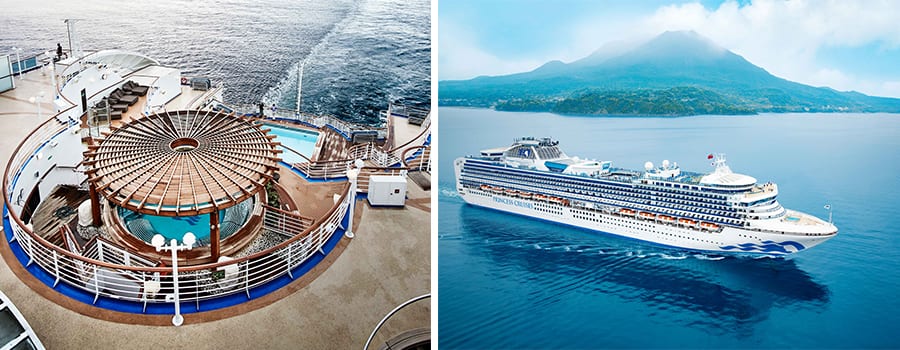
Cruising onboard the glamorous Diamond Princess will give nature-loving travellers the opportunity to head off the beaten track and experience the true wonders of this idyllic country. 

Visit www.cruiseexpress.com.au to find out more about our fully escorted tours to Japan.


Words courtesy of Joanna Hill.

Pacific War History

Brought to Life


One of the final frontiers of the South Pacific, Papua New Guinea is a naturally beautiful, historically and culturally rich destination.

Unknown to many people, New Guinea was the site of conflict during both World War I and World War II, says Mat McLachlan, founder of Australia’s leading battlefield tour company, Mat McLachlan Battlefield Tours and host of the Mat McLachlan WW2 History Cruise. In fact, the Anzacs’ very first action during World War I was not Gallipoli, but New Guinea.

New Guinea during WWI

The North-Eastern part of the island of New Guinea, plus a number of nearby islands, was part of the German colonial empire. This section of the island had been operated by a German protectorate from 1884, before it was taken by Australian troops in 1914.

In mid-August that year, just weeks after the outbreak of the World War I, 2000 soldiers and naval reservists set sail from Sydney Harbour to German New Guinea. The objective was to seize and destroy German radio stations transmitting from the island, ahead of the departure of Australian troopships for Europe and the Middle East. On 11 September 1914, 25 men went ashore at Rabaul to take out the Bita Paka wireless station. Although the mission was a success, the Battle of Bita Paka saw the first Australian soldiers die fighting for their country.


Japanese invasion

On 23 January 1942, the Japanese invaded New Guinea — landing at Rabual on the island of New Britain. The first coastal village to be captured by the Japanese, it was turned into a fortress so impregnable that the Allies never attempted to capture it. A massive military complex serving more than 97,000 Japanese soldiers and thousands of accompanying personnel, it was the main Japanese base in the South Pacific.

To guard against air bombardment, the Japanese dug 800 kilometres of tunnels to house their command centres, barracks, storehouses, and a hospital. The tunnels are still there and there are numerous war sites to see in and around the town.

Milne Bay was another key strategic point for World War II in the Pacific. Australian troops arrived in Milne Bay in June 1942 and worked alongside American comrades, carving roads and three airstrips out of jungle and swamp. For the Japanese, it was essential to claim this region back to progress their takeover.

During the night of 25 August 1942, 2,000 Japanese marines attacked the Allied base. The ensuing battle lasted three weeks and the Allies claimed victory. Today, remnants of Japanese landing barges used in the battle can still be seen.

“The Battle of Milne Bay was a turning point in the Pacific War as it was the first time the Allied forces decisively defeated a Japanese offensive on land. This battle largely marked the beginning of the end for World War II in the Pacific,” says Mat.

Words courtesy of Mat McLachlan

Environmentally Friendly Steam

Keeping the Steam Dream Green

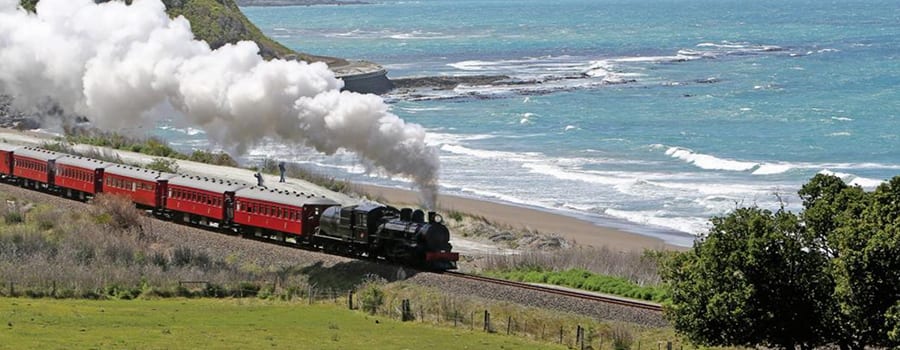
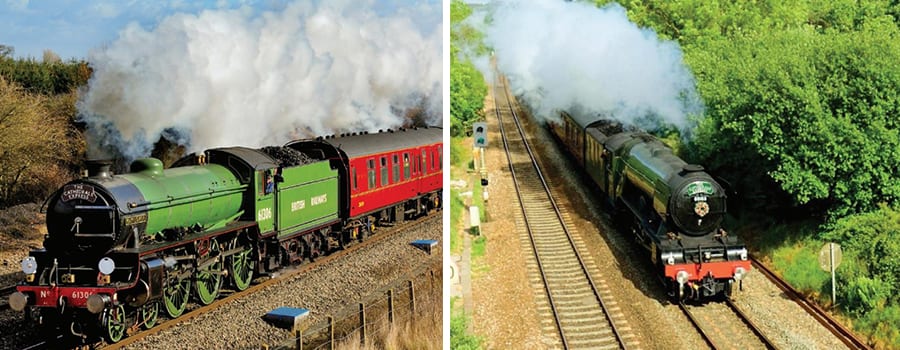
The Steam Dreams Rail Co. was the first rail charter to be carbon neutral and we are proud of our commitment to ensure our trains do not damage the environment.

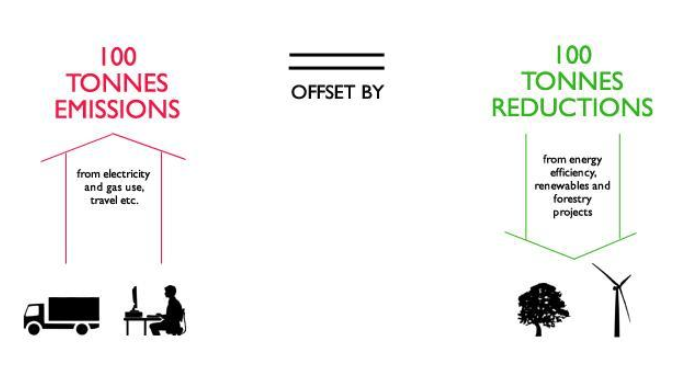
Every time Steam Dreams Rail Co. run a steam charter (around 60 times a year) they make a donation to an organisation called Eco-Act, which invests in carbon reduction projects, to offset the carbon emissions that steam engines produce.

So for example, if trips produced 100 tonnes of carbon emissions through the use of coal, this can be can offset this by purchasing 100 tonnes of carbon credits to reduce the carbon impact to zero (to become carbon neutral).

Eco-Act’s carbon reduction projects usually take place in developing countries, in the areas of renewable energy, energy efficiency and forestry. Each of their projects removes a measurable amount of greenhouse gasses or prevents the emissions in the first place, to reduce the total concentration of greenhouse gases in the atmosphere that contribute to climate change.

Projects are carefully monitored and verified so that each tonne of greenhouse gas reduction can be certified as a carbon offset credit, giving total peace of mind that offsetting is transparent and effective.

In 2019, Steam Dreams are investing in a solar power project in India. This project provides the following positive impacts:

  • Provision of jobs in local communities across India for the construction and operation of solar plants;
  • Improvement to the livelihoods of families employed by the projects;
  • Awareness-raising of the impacts of climate change and how to mitigate them;
  • Reducing the reliance on energy generation from fossil assisting communities across India to gain access fuels to renewable and sustainable sources of electricity.

If you are interested in learning more about Steam Dreams Rail Co. UK journeys, please call Cruise Express today on 1300 766 537 or visit our website today.

The Secret to Fine Fast Food Dining

Whilst travelling 120km/hour


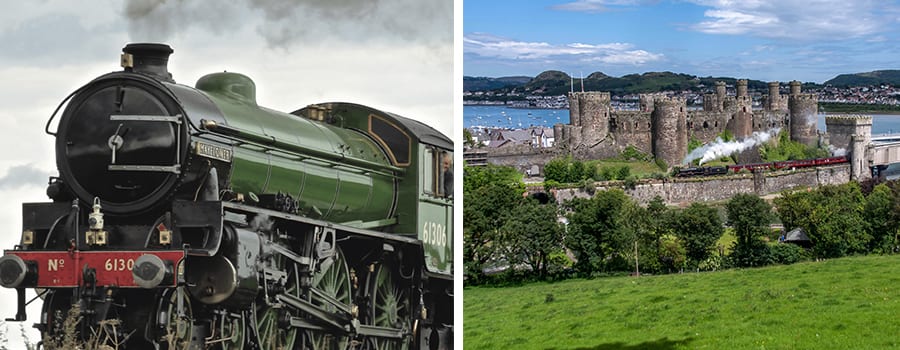
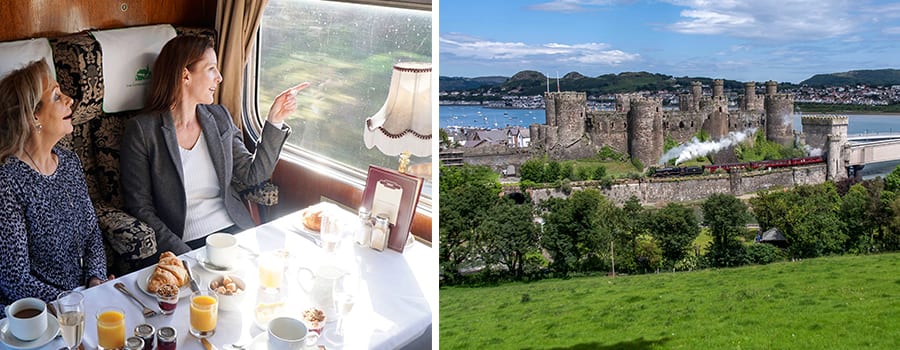
Stream Dreams – For over fifteen years, The Cathedrals Express steam train has been taking passengers on day trips to beautiful cathedral cities in the UK including Salisbury, Bath, Canterbury and York.

As soon as they board the train, passengers travelling in the Premier Dining or Pullman Style Dining classes are treated to a full English breakfast and a glass of champagne, with a four or five-course meal on the return journey – all cooked on the train in a renovated 1960’s kitchen car.
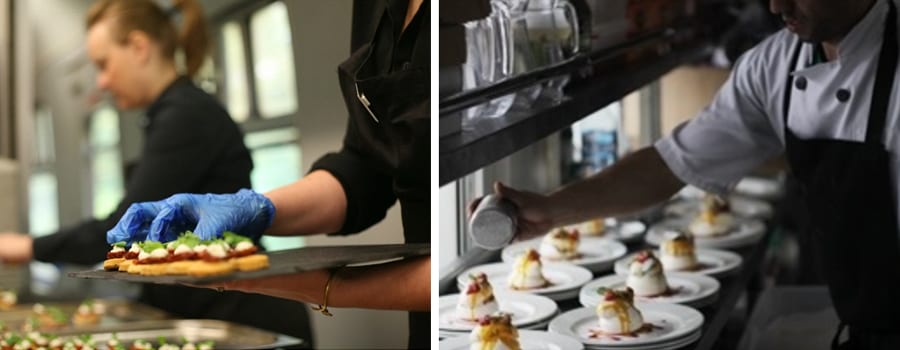
Serving up to five courses to almost 250 diners, The Cathedrals Express kitchen was specifically designed for Steam Dreams by a Michelin starred chef, bringing it up to date with modern restaurant requirements within the confines of a vintage carriage. 

The modernisation was completed in June 2013 and the Head Chef, Tony Keene, is delighted with the result; “Since our kitchen car entered service, the modern bespoke facilities have enabled us to raise our food offering to a whole new level. The new space allows food to be cooked and presented as close to modern restaurant-style as possible, with all dishes plated and finished off at the last minute.”
“On most of our day trips, we serve over 200 diners across our Pullman and Premier Dining coaches as well as 30 members of staff. All meals are prepared on board, so preparing and serving this number of meals whilst moving at high speeds and often working to very tight deadlines can be very challenging.

Unlike any other kitchens I have worked in, we don’t have unlimited supplies, with finite amounts of cooking gas, water and electricity but the new onboard facilities have made a huge difference. The extensive new storage and preparation space has enabled us to develop our dishes to offer a modern British menu with a nod to the glory days of the British Pullman cars,” said Tony.
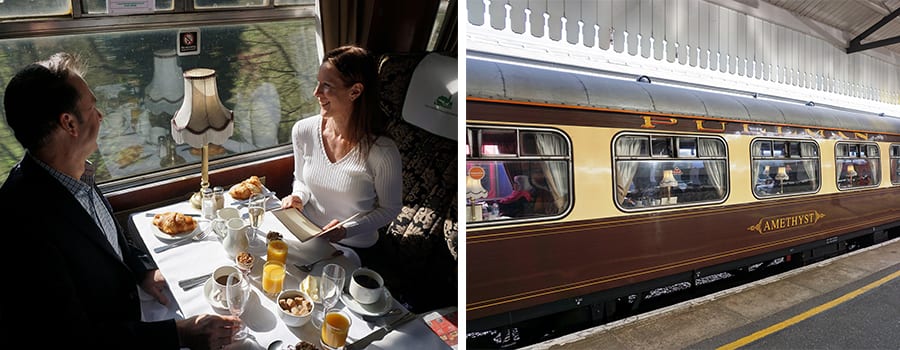
Tickets for Steam Dreams tours are available in four different classes, ranging from Premium Standard through to the top class of Pullman Style Dining. Passengers travelling in Pullman Style will enjoy a two-course champagne breakfast on the outward journey and a five-course dinner on the return, whilst those opting for Premium Standard will be seated at tables of four in open carriages and served with complimentary tea and coffee at their seats.

For further information on travelling to the UK onboard any Steam Dreams journey please call Cruise Express on 1300 766 537.
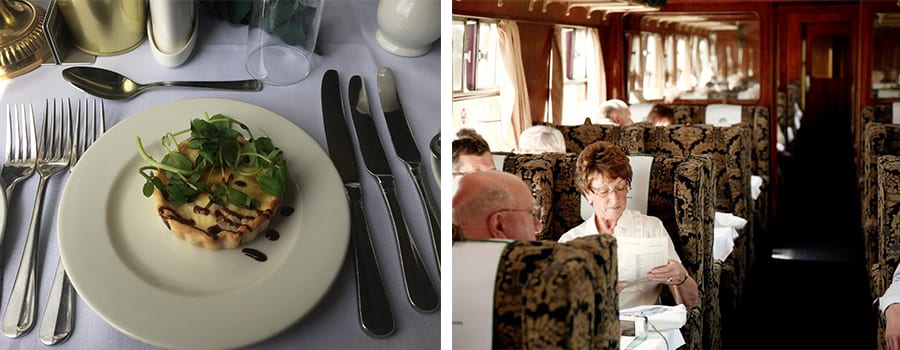
Sample Pullman Style Dining menu onboard The Cathedrals Express

Breakfast

Fresh Croissant with Preserves

~

Fruit Compote with Granola & Yoghurt

~

Porridge or Cornflakes

~

Fresh Bread

~

Full English Breakfast with Free Range Scrambled Egg,

Lincolnshire Sausage, Sussex Bacon, Hash Browns, Tomato,

Mushrooms, Black Pudding & an English Muffin

(v) Vegetarian Sausages, Roasted Portabello Mushroom

with Free Range Scrambled Egg, Tomatoes,

Hash Browns & an English Muffin


Dinner

Canapés

~

Amuse Bouche

~

Smoked Mackerel Pâté,

Cucumber Pickle & Herby Leaves

(v) Chickpea Falafel with Beetroot Tzatziki

~

Sage Roasted Guinea Fowl, Crushed Sweet & New Potato,

Petit Pois & Wilted Baby Chard, Red Wine Jus

(v) Goat’s Cheese & Red Onion Marmalade Tartlet

with Thyme, Crushed Sweet & New Potato,

Petit Pois & Wilted Baby Chard

~

Lemon Mousse

with Raspberry Coulis & Blueberries

~

Selection of English Cheeses with Grapes,

Celery & Biscuits

~

Coffee & Biscotti


Thank you to Claire Newton of Steam Dreams Co. UK for sharing this article. 

 

New Zealand Heritage Rail

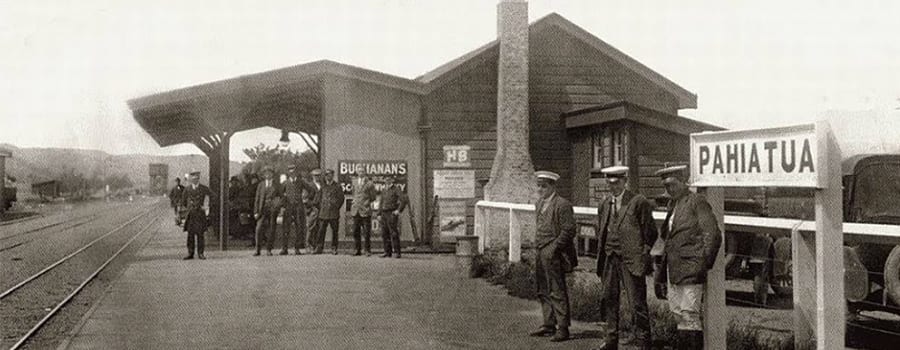
Tokomaru – a Pahiatua rail car

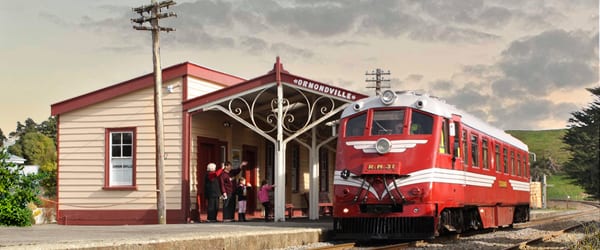
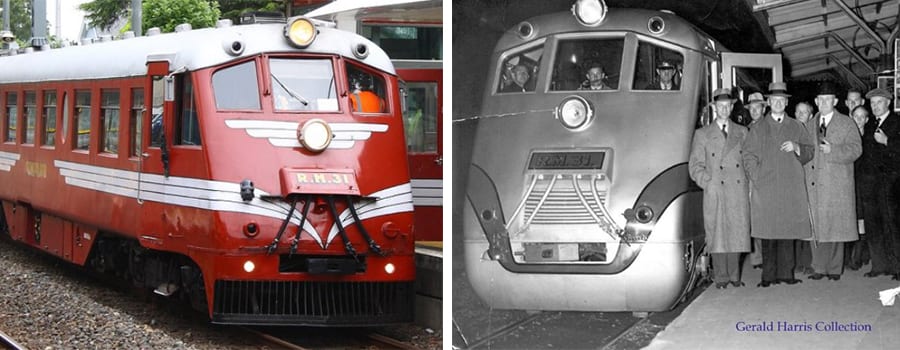
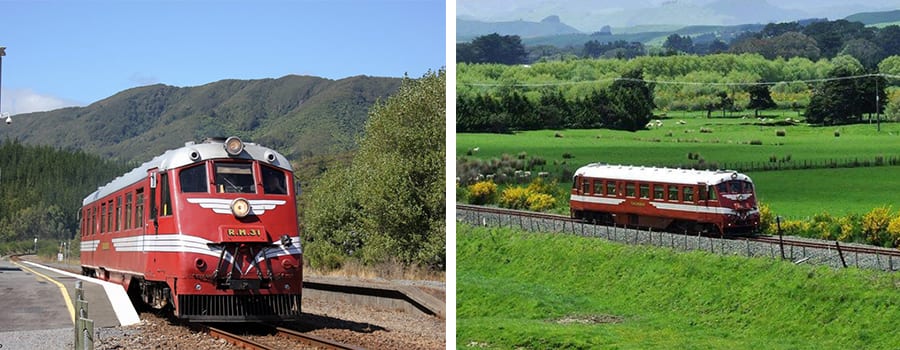
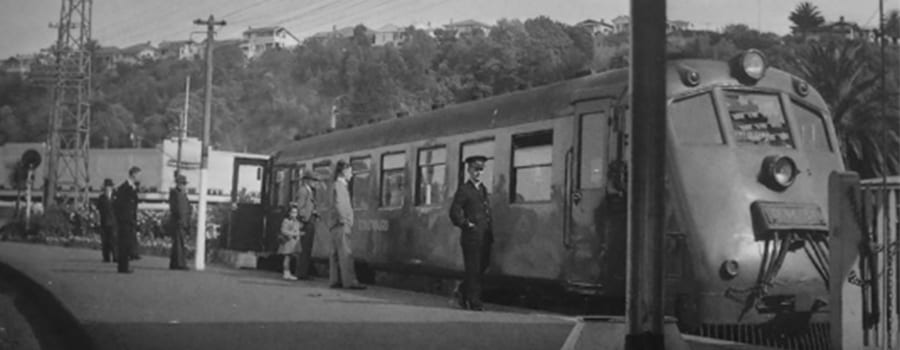
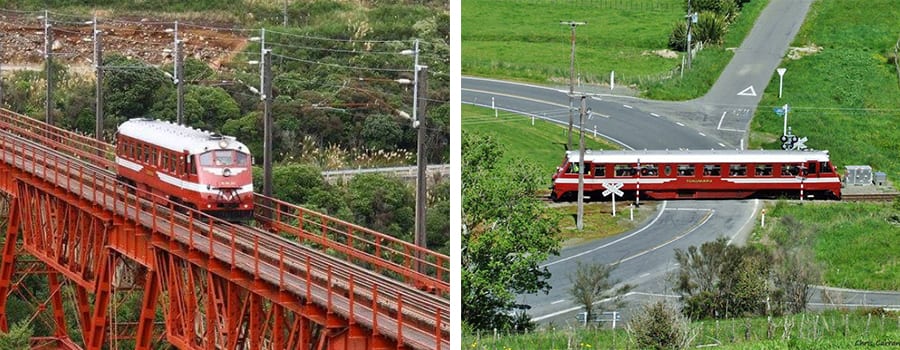
Still with her traditional art deco charm, a gem in New Zealand’s heritage rail scene is ‘Tokomaru’, or RM31, a railcar built in 1938 and now managed by Pahiatua Railcar Society at Pahiatua, in New Zealand’s North Island. 

This unique style of railcar was one of only six built by NZ Hutt Workshops for the New Zealand Government Railways in 1938/39 as an innovative way to compete with the rise of motor vehicles, and to replace slower and expensive steam trains, while providing comfortable and fast local rail services.  

RM31 is 30 tonnes and 21 metres long, and while only one carriage, she was built with two compartments, the larger ‘second-class’ seated 36 passengers, and the smaller ‘first-class’ area seated 16 passengers. As with all these standard railcars, Tokomaru was named after famous Māori canoes and was used for North Island passenger rail services for more than 30 years until withdrawn from service in 1972.  

While the railcars are now red with white stripes and grey roofs, they were originally a sleek silver body with a green stripe. Initially, they were used to run a fast return service between Wellington and New Plymouth and later Hawkes Bay between Wairoa and Napier and a Sunday service from Napier to Wellington return. This was of course extended over the years, but they never operated in the South Island.

RM31 is the Society’s only operating railcar and is one of four preserved railcars of the Standard class but the only one in operation of the national lines. Being stored for a time at Masterton, RM31 was bequeathed to the Pahiatua Railcar Society in 2001, an organisation dedicated to the restoration of heritage railcars, locomotives and rolling stock formerly owned and operated by the railways department.

Cruise Express is chartering Tokomaru in October 2019 for a panoramic, 4-day journey from Auckland to Wellington, visiting boutique vineyards in the famous Martinborough wine region – home to the Pinot Noir-flaunting Escarpment winery, now owned by Barossa Valley’s Torbreck. Passengers on this incredible journey will also stay in the grand, Chateau Tongariro, back-dropped by sacred, lofty peaks in the heart of the North Island and the quirky capital of Wellington with a visit to the incredible Te Papa National Museum.  

To secure your seat on New Zealand’s heritage rail or for more information click here or call Cruise Express on 1300 766 537