Sustainability in Cruising: How the Industry Is Powering a Greener Future

At Cruise Express, we love sharing the joy of cruising and we also know how important it is that the industry protects the beautiful destinations we visit. So we’re excited to see the latest 2025 Environmental Technologies & Practices Report from Cruise Lines International Association (CLIA), which shows just how far cruising has come in building a greener future.

With CLIA-member cruise lines representing more than 90% of the global fleet, this report gives a clear snapshot of the real, tangible progress being made.

A Fleet Evolving for Tomorrow

As of 2025, CLIA’s 45 member cruise lines operate 310 oceangoing ships, most of them small to mid-size (under 3,000 lower berths) a trend set to continue well into the 2030s. But what really stands out is the investment: more than 80 new, cleaner, smarter ships are already on order worldwide, each designed with sustainability front and centre.

Cleaner Fuels & Smarter Engines

The shift away from heavy fuel oil is well underway. Cruise lines are trialling and adopting alternatives including biofuels, methanol, and LNG, with incredible progress in multi-fuel engines. Multi fuel engine technology provides the flexibility to switch from conventional fuels to zero and near zero emission fuels with little to no engine modifications. In 2018 there was just one ship with this capability, today there are 19, and by the end of 2025 there will be 23, with 32 dual-fuel ships due to launch before 2036.

These ships can switch to low- and zero-emission fuels as they become available, meaning every new vessel is built with the future in mind.

Plugging In at Port

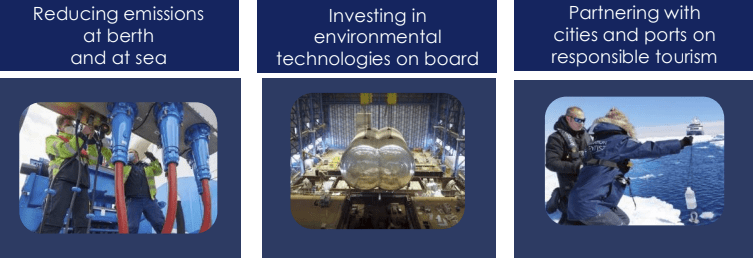
One of the most exciting developments is onshore shore power supply (OPS) connectivity (also referred to as shoreside electricity or SSE). When ships can plug into electricity in port, they can switch off their engines – reducing emissions by up to 98%.
Today, 166 CLIA-member cruise ships have this capability, and that number is expected to jump to 273 by 2036. Ports are catching up too, with Europe leading the way. Pleasingly, by late 2026, Sydney’s White Bay Cruise Terminal in Balmain will take an important step forward, becoming the first port in Australia and the Southern Hemisphere to offer renewable shore-side power for visiting ships.

Cleaner Air, Cleaner Seas

Ships are also adopting advanced technologies like Selective Catalytic Reduction (SCR) systems that significantly cut particulate matter and nitrogen oxide emissions, helping meet strict global standards.

Meanwhile, nearly all CLIA-member ships (98%) now produce their own fresh water on board using systems like reverse osmosis and steam evaporation – a massive step in reducing reliance on limited local water supplies.

And when it comes to wastewater, more than 80% of the global fleet uses advanced treatment systems that exceed international requirements, with even more progress planned. As part of their overarching sustainability focus, cruise lines have committed to not releasing untreated sewage anywhere in the world during normal operations.

Rethinking Waste Onboard

From waste-to-energy gasification systems, where these systems convert waste into usable energy to support the ship’s operations, reducing waste sent to landfills and decreasing the ships energy demand to Microbial food waste digesters, currently in use on 128 vessels, cruise ships are becoming incredibly efficient. This is an exciting and huge leap forward from even five years ago.

Why This Matters to Us (and Our Travellers)

Sustainability isn’t a trend – it’s essential. At Cruise Express, we’re proud to work with cruise lines that are investing heavily to protect the oceans, wildlife, and communities we visit. It means you can explore the world with confidence, knowing your holiday is part of a cleaner cruising future.

If you’d like to know more about sustainable ships, new technologies or eco-friendly itineraries, we’re always here to help.

Data: Cruise Lines International Association (CLIA) Environmental Technologies and Practices (ETP) report 2025

Why You Should Consider A Small Ship For Your Next Cruise

When you’re planning a cruise holiday and looking for a more laid-back experience, with a real sense of connection to the places you visit and the people you’re travelling with, smaller ships are well worth a look. In fact, they harken back to the golden age of cruising, when the journey itself was just as important as the destination.

You might think of small ships as the domain of luxury lines, and it’s true, many boutique and high-end operators favour a smaller fleet. But you don’t have to splash out to experience the charm of cruising on a more intimate scale. Even some of the mainstream cruise lines include smaller ships in their line-ups.

Take MSC for example – known for its large, resort-style ships like the MSC World Europa which carry over 6,000 passengers and are packed with big-ship features – waterslides, theatres, shopping promenades, and more. However, MSC also operates smaller vessels such as the MSC Armonia and MSC Sinfonia, which carry around 2,000 passengers and the newly launched Explora ships with a capacity of 966 passengers.

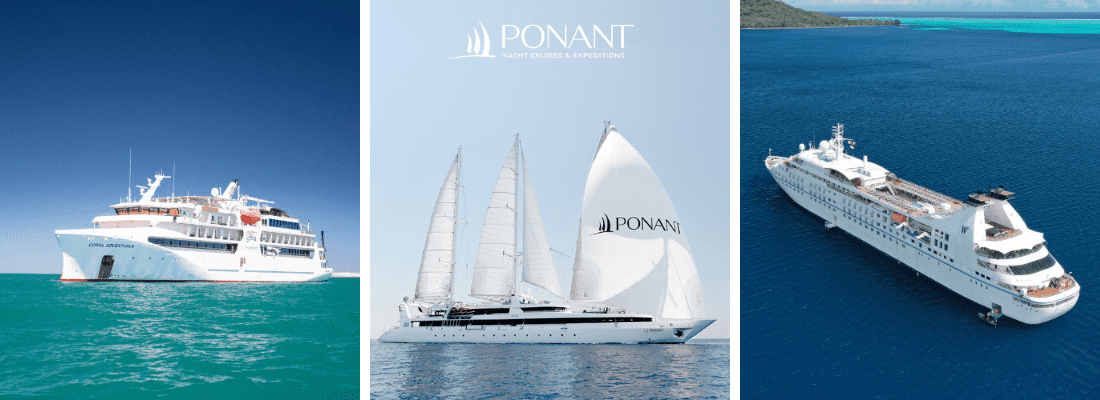
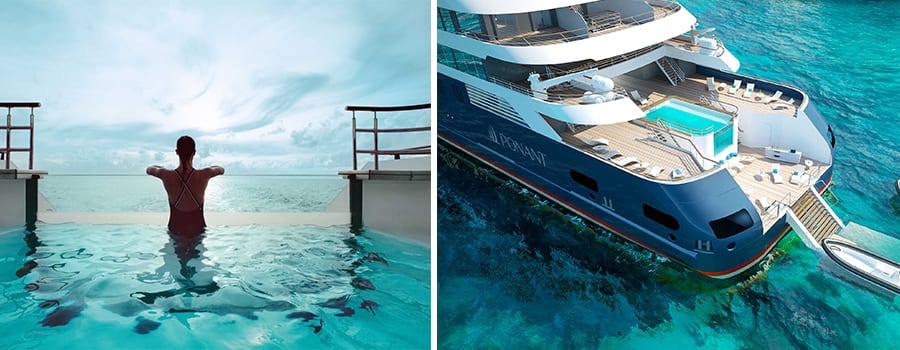
Then there are cruise lines that specialise in smaller ships altogether. Australians looking for small-ship cruising have some excellent options, both locally operated and internationally renowned. Homegrown lines like Coral Expeditions, True North, and Aurora Expeditions specialise in intimate, adventure-focused voyages to destinations such as the Kimberley, Great Barrier Reef, and Antarctica. Luxury expedition yachts like Scenic Eclipse and Ponant also offer high-end experiences throughout the world.

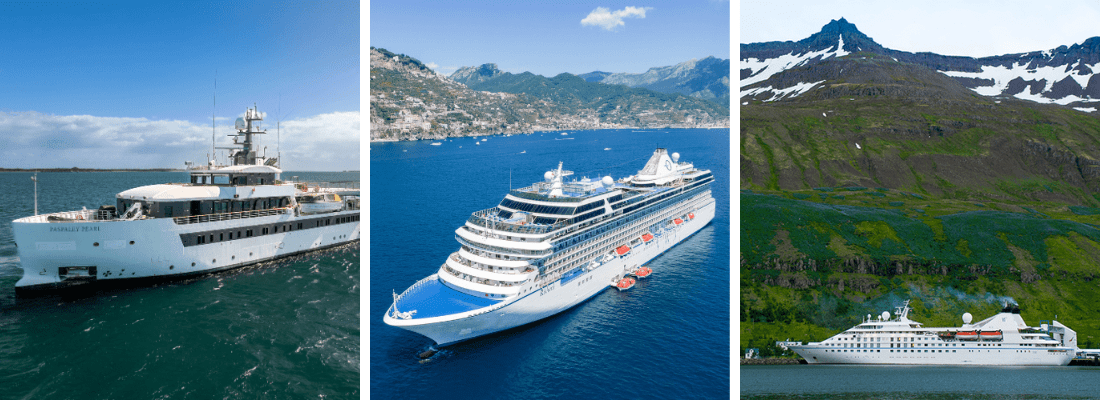
Meanwhile, APT and Travelmarvel provide small-ship cruising through curated partnerships, often with a focus on immersive travel and comfort. These lines typically carry fewer than 250 guests, offering a more relaxed, personalised, and destination-driven alternative to large cruise ships. And if you’ve got Norway on your radar, lines like Hurtigruten sail the stunning coastlines with vessels that usually host fewer than 500 passengers.

While it may take a bit of searching, there are great-value fares to be found on small-ship cruises. And there are plenty of reasons why this style of cruising could offer a more memorable and rewarding holiday.

Here are five key benefits:


1. More Unique Itineraries

Smaller ships can dock in places the big guys simply can’t reach, opening the door to more interesting and less tourist-heavy destinations. That means you’re more likely to discover hidden gems and authentic experiences.

Take Norway’s fjords as an example. Big ships can access well-known ports like Flåm and Geiranger—which can get swamped with passengers when a mega-ship rolls in. But a smaller ship can cruise under the Hardanger Bridge to visit spots like Eidfjord or Ulvik—beautiful villages that feel a world away from the crowds.


2. A More Relaxed. & Personal Onboard Atmosphere

With fewer guests on board, you’ll find it easier to connect with fellow travellers and enjoy friendly, attentive service. There’s less queuing, less hustle and bustle, and more chances to find a quiet corner to unwind.

Whether you’re enjoying a meal, joining an activity, or relaxing on deck, everything feels more personal. The vibe is more like a boutique hotel at sea, rather than a floating resort.


3. Less Hustle & More Holiday

Small ships might not have waterslides, ziplines, or 20 different restaurants—but that’s kind of the point. Without the endless options and sprawling decks, you can focus on relaxing and enjoying the journey.

You’ll spend less time trying to get from A to B and more time simply enjoying the cruise. And with fewer guests onboard, it’s easier to grab a seat at a show, find your favourite spot on deck, or enjoy a peaceful drink as the sun sets.

And while it’s not a rule, smaller ships often attract fewer families, which means the vibe tends to be a bit more tranquil, ideal if you’re after a quieter escape.


4. More Room to Enjoy the Sea

There’s nothing quite like starting your day with brekkie on the deck or a drink in hand as the sun dips below the horizon. While modern mega-ships focus on balconies and interior attractions, classic small ships often boast wide open decks and spacious promenades, perfect for soaking up the scenery.

These open areas not only offer great views, they also capture the nostalgic romance of traditional cruising, ideal for those who love the idea of being out at sea, not just inside a floating theme park.


5. Fewer Sales Pitches

One of the quieter perks of cruising on a small ship? You’re not constantly being sold to. While there are still optional extras like drink packages and specialty dining, the upsell pressure is nowhere near what you’ll experience on a mega-ship.

The focus is more on the journey itself, and what’s included tends to be more than enough for a fulfilling experience, without feeling like your wallet is being targeted at every turn.


The Bottom Line

If your idea of a cruise holiday involves authentic destinations, good conversation, and a touch of old-school charm, a small ship might be just what you’re after. Whether you’re new to cruising or a seasoned sailor, stepping aboard a smaller vessel could open up a whole new side of the cruise world, one that’s quieter, richer, and more rewarding.


Which Cruise Ship Cabins are Best to Avoid


When selecting a cruise cabin, there are certain types you’ll want to avoid, whether due to noise, obstruction, or undesirable location. Here’s a list of cabins to steer clear of:

1. Obstructed View Cabins

  • What to Avoid: Cabins marked as “obstructed view” that feature a limited or partially blocked ocean view (often due to lifeboats or ship structures).
  • Why to Avoid: These cabins are usually priced lower but offer a disappointing view, which can detract from the cruising experience.

2. Cabins Near the Engine Room or Propellers

  • What to Avoid: Cabins situated near the engine room or ship’s propellers (usually found toward the aft or lower decks).
  • Why to Avoid: These locations can be noisy and may experience vibrations, particularly when the ship is underway, affecting your comfort and relaxation.

3. Cabins on Lower Decks

  • What to Avoid: Cabins on the lowest levels, close to the ship’s waterline.
  • Why to Avoid: These rooms can feel more movement, especially in rough seas, and may be near machinery or waterline equipment that creates additional noise or vibrations.

4. Cabins Below Public Areas or Kitchens

  • What to Avoid: Cabins directly under dining rooms, entertainment spaces, or the galley (kitchen) area.
  • Why to Avoid: These locations can be noisy due to the sounds of people, staff, and kitchen equipment, often disrupting sleep and tranquility.

5. Interior Cabins Near Elevators or Stairwells

  • What to Avoid: Interior rooms close to elevators, stairwells, or high-traffic areas.
  • Why to Avoid: These cabins experience frequent noise from guests moving throughout the ship, making it difficult to relax or sleep.

6. Cabins Near Public Restrooms or Crew Spaces

  • What to Avoid: Cabins located near public restrooms or crew-only areas like storage rooms or break rooms.
  • Why to Avoid: These areas can produce noise from staff and unpleasant smells, making them less desirable for a peaceful stay.

7. Cabins on the Main Deck (Tendering Area)

  • What to Avoid: Cabins on the main deck where tendering (small boat transfers between the ship and shore) occurs.
  • Why to Avoid: The noise and bustle from tendering operations can disturb your peace, particularly when the ship is docked in ports that require this process.

8. Forward Cabins (Especially on Smaller Ships)

  • What to Avoid: Cabins at the front of the ship, especially on smaller or older vessels.
  • Why to Avoid: These cabins tend to experience more ship movement, especially in rough weather, and can also be near bow thrusters that cause vibrations.

Bonus Tip: Consider Your Specific Needs

  • If you’re sensitive to seasickness, it’s best to avoid cabins at the front or back of the ship. Mid-ship, lower decks are ideal for minimizing motion.
  • For light sleepers, avoid cabins near noisy or busy areas like elevators, hallways, or public venues. Look for quieter, more isolated locations for a better rest.

In general, avoid cabins near high-traffic or noisy areas and opt for locations that reduce the chances of movement or sound disturbances to enhance your cruise experience.

Thinking of an Expedition Cruise?

So You’re Thinking of Embarking on an Expedition Cruise?

How is it different from traditional cruises that have been around for decades?

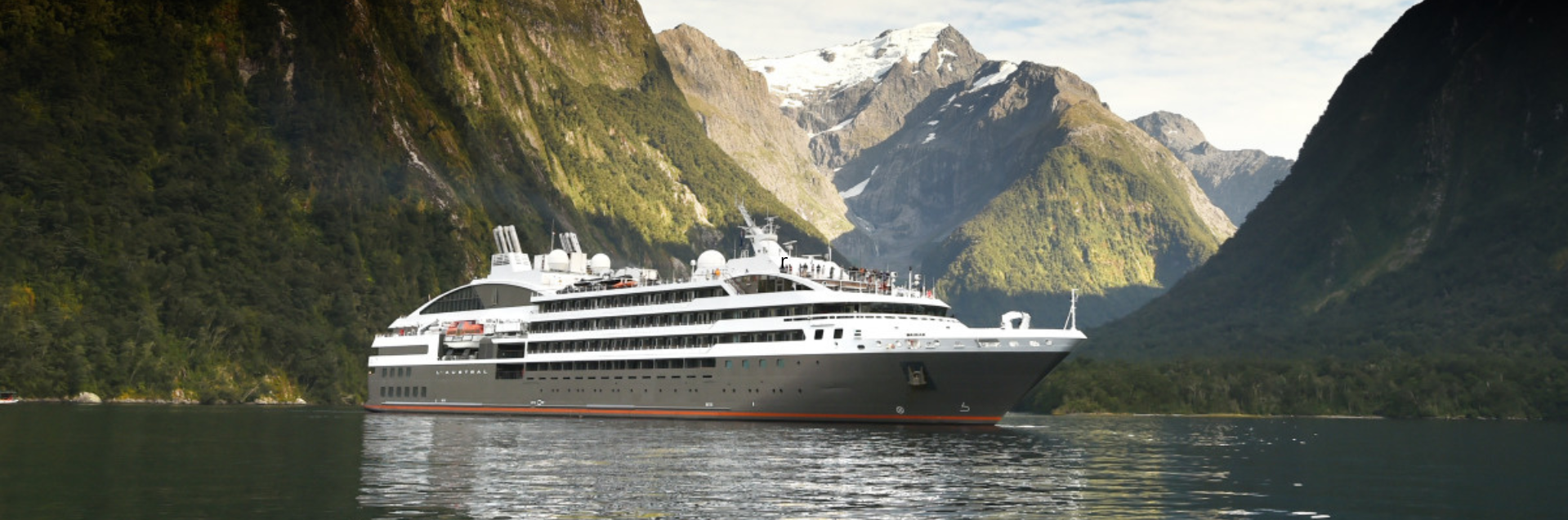
Size – Expedition ships are much smaller, usually under 250 passengers compared to traditional cruise ships that can have thousands of passengers. This allows expedition ships to access more remote locations.

Destinations – Expedition cruises visit more adventurous destinations like the polar regions, Alaska, the Galapagos, remote islands, etc. Traditional cruises tend to visit more populated ports and cities.

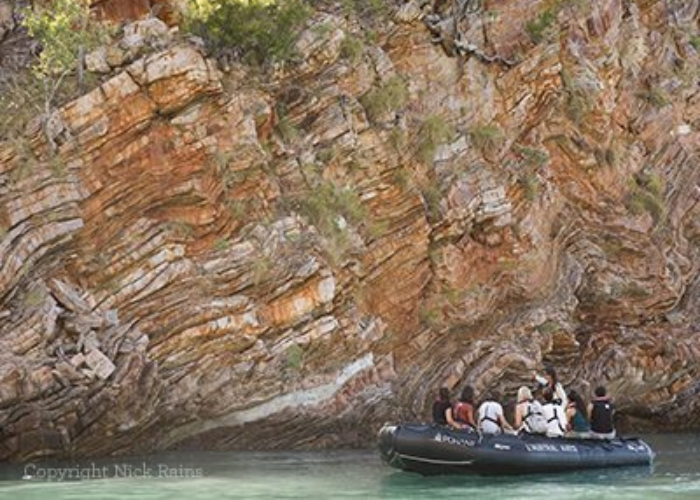
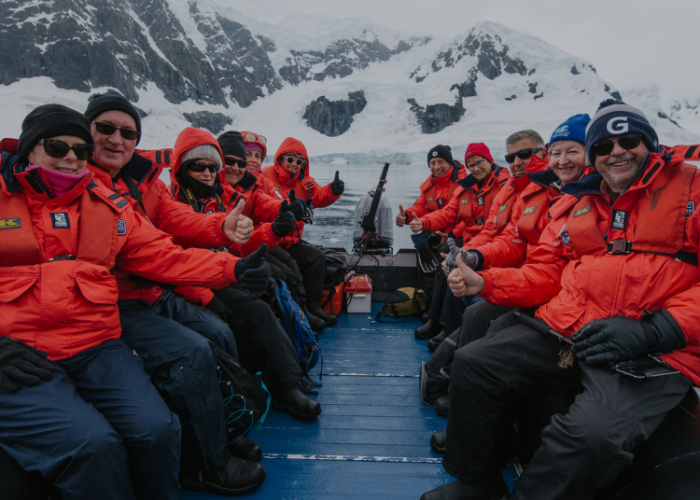
Activities – Expedition cruises have activities like kayaking, hiking, polar plunges, Zodiac excursions, and hands-on educational experiences. Traditional cruises focus more on entertainment, dining, pools, shows and relaxation.

Ambiance – The atmosphere on expedition ships is casual, laid-back and centered around the destination adventures. Traditional cruises have a more formal vibe with entertainment and dining as the focus.

Comfort – Expedition ships offer comfortable but not lavish accommodations. Traditional cruises have larger staterooms, multiple restaurants and ample lounging areas.

Itineraries – Expedition itineraries are flexible to adapt to changing nature and weather conditions. Traditional cruise itineraries are usually very port-focused and consistent.

So in short, expedition cruises are more adventurous and destination-focused, while traditional cruises offer more amenities, dining, entertainment and a fixed itinerary.

Do you need a travel advisor to help you book an expedition cruise?

Booking an expedition cruise directly with the cruise company is certainly an option. However, there are some potential benefits to using a travel advisor:

Expertise – An experienced travel agent will have great knowledge of expedition cruising and remote destinations. They can guide you on the most suitable options for your interests, budget, personal abilities/fitness level and expectations.

Savings – Travel agents can often access promotions, discounts or added bonuses that aren’t available to the public booking directly. They can also often book a package deal that may save you money on thinks like flights, hotel  stays pre and post cruise and port transfers.

Objectivity – Rather than just selling you on a specific cruise line, a good travel advisor should be able to offer objective advice across multiple expedition lines.

Handling issues – If any problems come up pre-trip or during the voyage, your travel agent can help manage changes, cancellations or concerns.

By booking with a travel agent, you simplify the booking process, get the best value and make sure an expedition cruise is the right fit.

Are insurance requirements stricter for expedition cruises?

Insurance requirements tend to be more comprehensive for expedition cruises compared to traditional cruises. There are a few reasons for this:

Remote locations – Expedition cruises often travel to very remote areas like the polar regions, deep in the Amazon, distant islands, etc. If an emergency occurs, rescue or medical care may be days away.

Activities – The activities on expedition cruises like kayaking, hiking and Zodiac excursions tend to be more physically demanding and risky than on typical cruises.

Weather conditions – The weather can be unpredictable and extreme in some expedition destinations. Things like storms, swells, ice and snow can disrupt plans.

Limited infrastructure – Remote destinations often lack developed infrastructure for medical care, hospitals, etc. This is especially true in the polar regions.

For these reasons, travel insurance is a must when embarking on an expedition cruise (or any cruise holiday!)  Insurance simply provides an added safety net.

Call us today on 1300 766 537 or email info@cruiseexpress.com.au if you would like to discuss an expedition cruise adventure.

Expedition Cruising – A Growing Trend

Firstly, WHY are travellers drawn to expedition cruises?

Adventure – Expedition cruises offer the chance to explore remote regions, from polar to jungles, islands and other hard-to-reach destinations in an adventurous way. Activities like hiking, kayaking and polar plunges add excitement.

Learning – There is a significant educational component with lectures from experts and naturalists as well as shore excursions that focus on nature, wildlife and culture.  Definitely an enriching experience for the mind, body and soul.

Unique Wildlife – Seeing Antarctica’s penguins, the Arctic wildlife like polar bears and whales, the Galapagos’ endemic species, witnessing rare animals unique to that region, etc. is a definite drawcard for almost everyone who embarks on an expedition cruise.
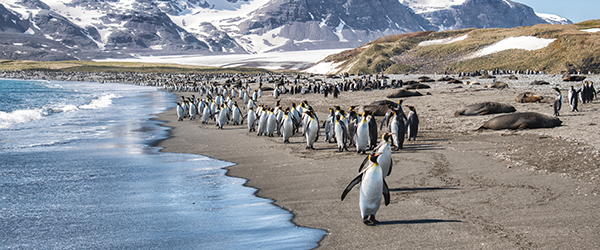
Remoteness – Just the thought of traveling somewhere off the beaten path, like Antarctica or the Kimberley, can be highly appealing. It’s a ‘polar’ opposite experience from any other type of holiday!

Flexibility – Because expedition ships can and often do quickly change course to take advantage of wildlife sightings or weather, it’s this spontaneity and flexibility that is part of the adventure.

Scenery – Dramatic landscapes like icebergs, fjords, rugged coasts and turquoise lagoons provide stunning and ever-changing scenery.

Small Groups – Depending on the cruise line, expedition ships usually have less than 200 passengers for a more immersive experience with the crew and the expert guides.
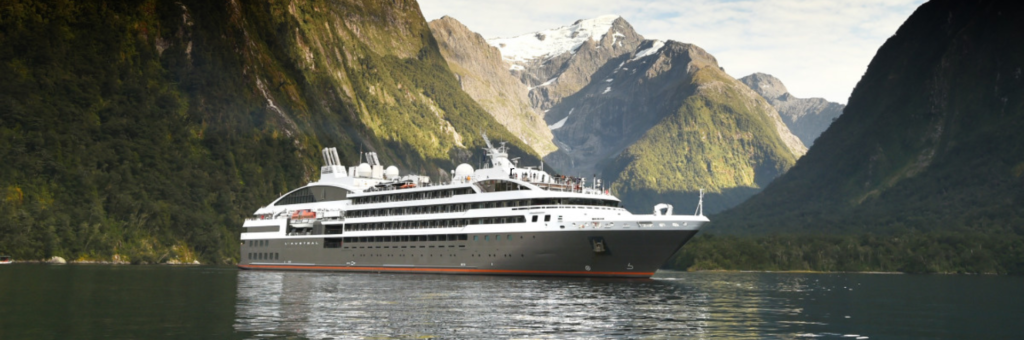
Sustainability – Many expedition companies highlight sustainability, conservation, and responsible travel. This appeals to eco-conscious travelers.

Bucket List – For some travelers, visiting Antarctica or seeing the Amazon is a once-in-a-lifetime trip and worth the splurge. It’s a bucket list achievement.

WHAT do you need to know?

Aside from being an exciting adventure, expedition cruises offer a unique opportunity to explore remote and often untouched destinations while immersing yourself in pristine nature and wildlife. While we are mostly familiar with the joys of river and ocean cruising, here are a few important  factors to take into consideration before booking an expedition cruise:

Flexible Itineraries: Expedition cruises often have flexible itineraries due to weather, wildlife sightings, and other unpredictable factors. Your expedition leaders will always prioritise your safety and will strive to maximise your experience, so do trust them and be prepared for any changes.

Small Ship Destinations: To allow for a far more immersive experience, expedition cruises almost always utilise smaller ships designed for navigating remote waters and reaching unique destinations for a chance to experience nature in its purest form. Expedition ships often take you to remote and pristine areas, away from typical tourist routes.

Nature and Wildlife: Expedition cruises are centered around exploring and appreciating nature, wildlife, and their ecosystems.  Expert guides onboard and ashore will provide incredible knowledge regarding the flora, fauna, and geology of the areas you visit.
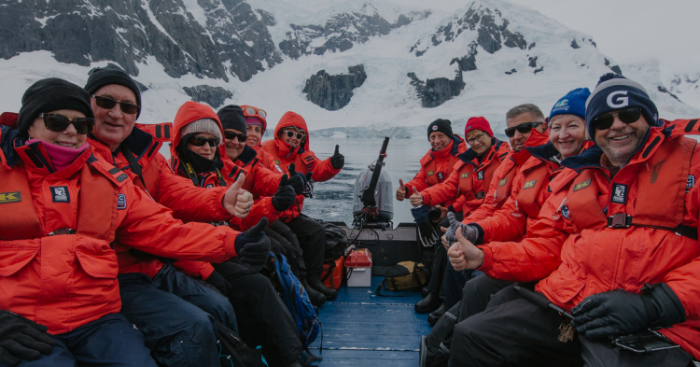
Expert Guides: Expedition cruises are accompanied by experienced naturalist guides who are knowledgeable about the destinations and the wildlife you’ll encounter. Typically, you’ll be offered onboard lectures and talks and guided hikes or zodiac trips to enhance your understanding.

Limited Passengers: Naturally, smaller ships mean fewer passengers, which fosters a sense of camaraderie, creating a more personalised and memorable experience, perhaps even making a new friendship or two.

Clothing and Gear: Depending on your destination and activities, pack appropriate clothing and gear such as comfortable hiking shoes, waterproof and windproof clothing, sun protection, and binoculars for wildlife viewing.
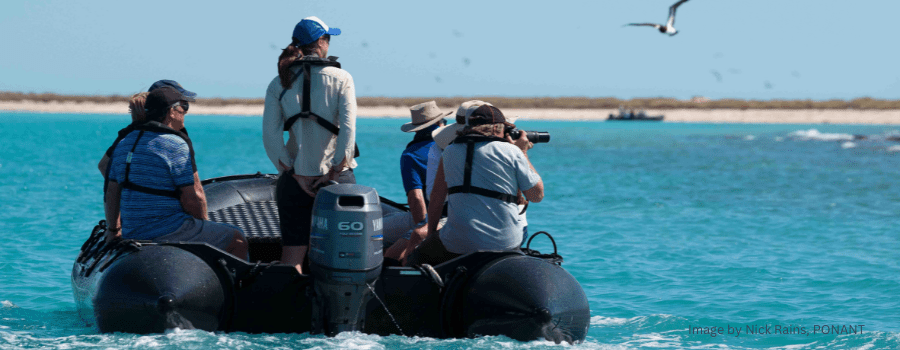
Physical Fitness: Some activities offered on an expedtion tour like hiking and snorkeling, may require a certain level of physical fitness. Ideally, to maximise your experience, you would want to be reasonably fit.

Responsible Travel:  With an emphasis on eco-friendly tourism and minimising your impact on the environment, the “Leave No Footprint” principle is imperative.

Seasickness: While modern expedition ships are equipped with stabilisers to reduce motion, they are still small ships and seasickness can still be an issue for some. If you’re inclined to get motion sickness, it’s a good idea to bring medication or equivalent remedies with you.
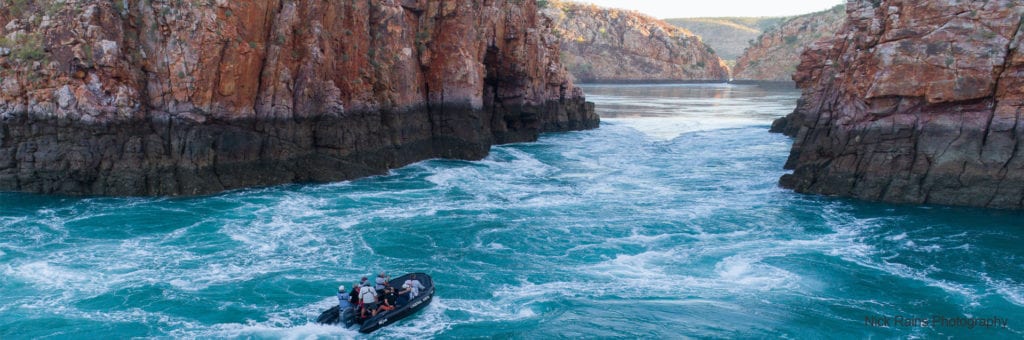
Social Interaction: Expedition cruises encourage interaction with fellow travelers, fostering a sense of community among passengers who share a passion for exploration and nature.

Booking in Advance: Expedition cruises can fill up quickly due to their limited capacity and high demand. It’s advisable to book well in advance to secure your preferred travel dates and cabin type. Also if there are optional land tours that are not part of the standard itinerary, you may want to check if these need to be booked in advance as well.

Photography: Goes without saying! Bring a good camera or smartphone with a decent camera to capture everything amazing!  Please remember to respect wildlife by staying a safe distance and not disturbing them.

Local Cultures: Expedition cruises often include interactions with local communities. Be respectful and open-minded when engaging with local cultures and perhaps do a little research before you leave home!

Activities – Expedition cruises offer activities including kayaking, hiking, polar plunges, Zodiac excursions, and hands-on educational experiences. Traditional cruises focus more on entertainment, dining, pools, shows and relaxation.
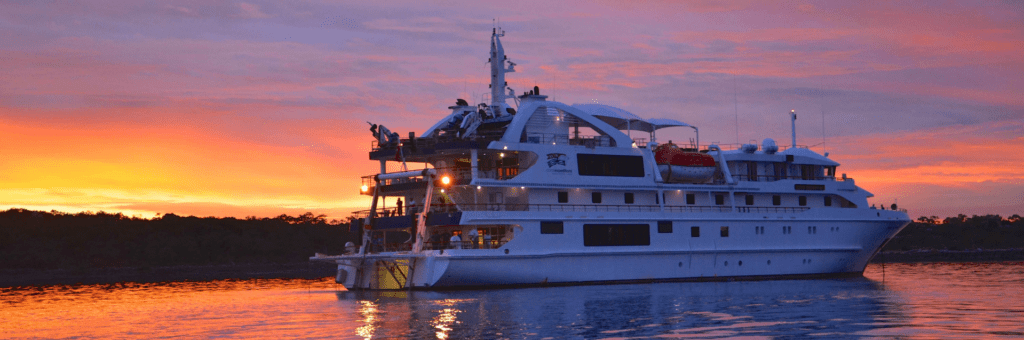
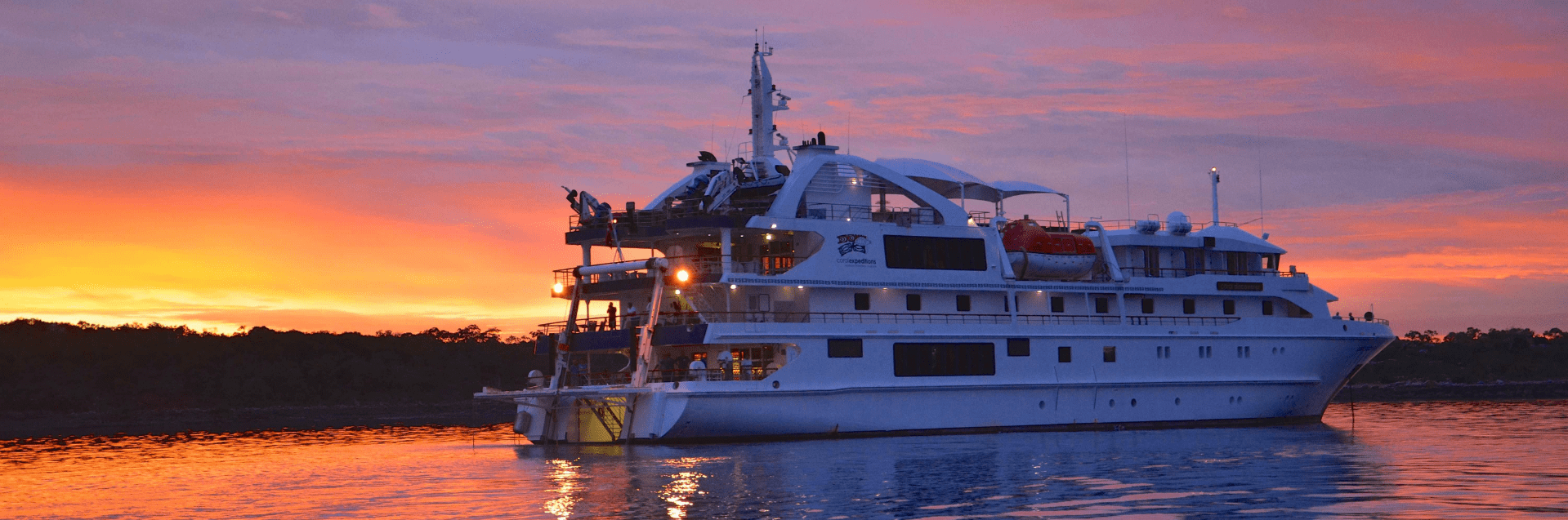
Coral Expeditions

Ambiance – The atmosphere on expedition ships is casual, laid-back and centered around the destination adventures. Traditional cruises have a more formal vibe with entertainment and dining as the focus.

Comfort – Expedition ships offer comfortable but not lavish accommodations. Traditional cruises have larger staterooms, multiple restaurants and ample lounging areas.

Itineraries – Expedition itineraries are flexible to adapt to changing nature and weather conditions. Traditional cruise itineraries are usually very port-focused and consistent.

So in short, expedition cruises are more adventurous and destination-focused, while traditional cruises offer more amenities, dining, entertainment and a fixed itinerary.

Expedition cruising offers a chance to connect with nature, explore remote destinations, and gain a deeper understanding of the world around us. By keeping these important points in mind, you can make the most of your experience and create lasting memories of a remarkable journey.
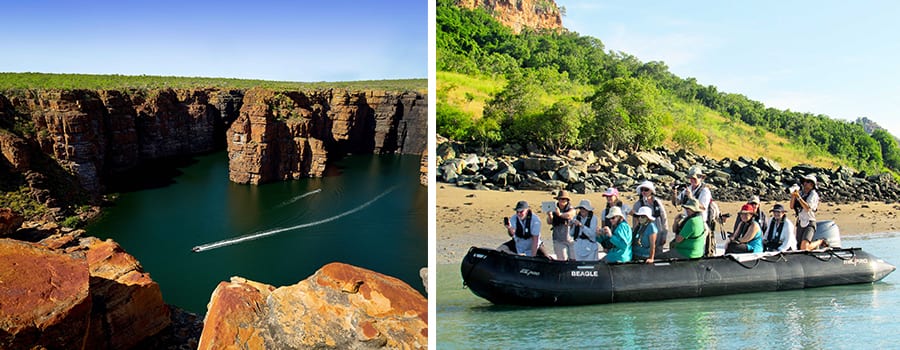
Expedition cruise destinations continue to grow in popularity and here are a few top destinations:

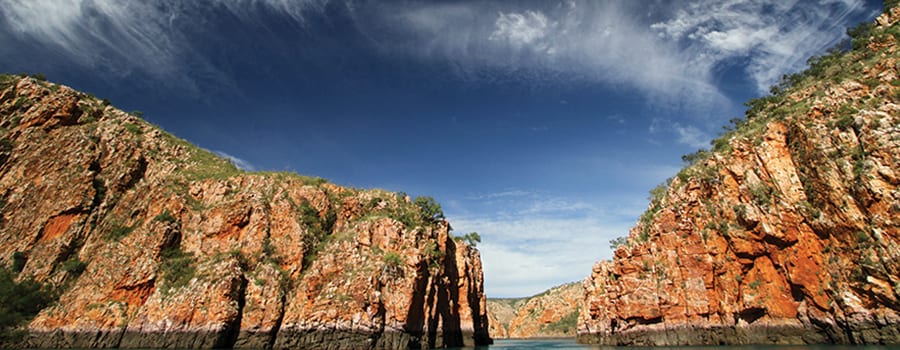
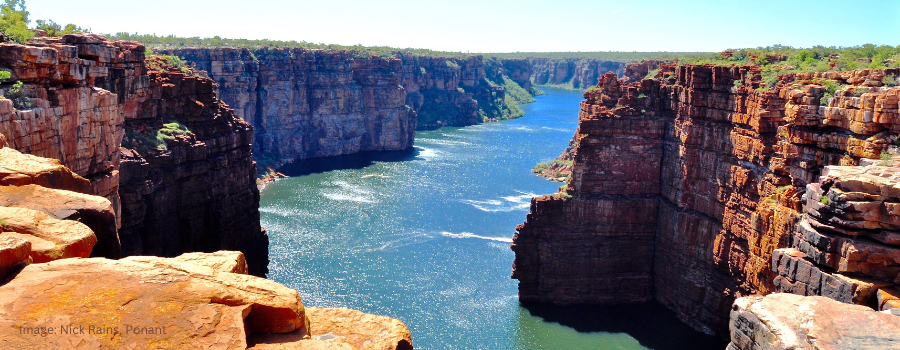
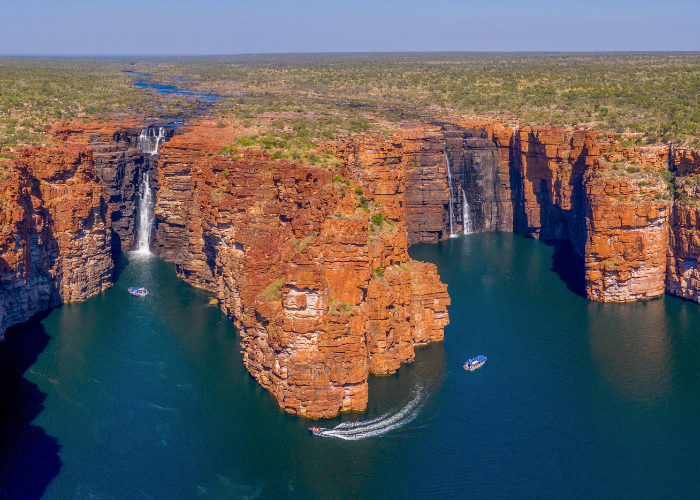
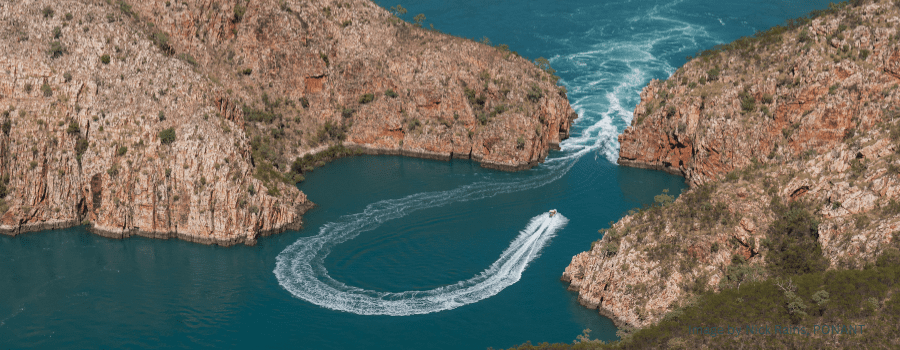
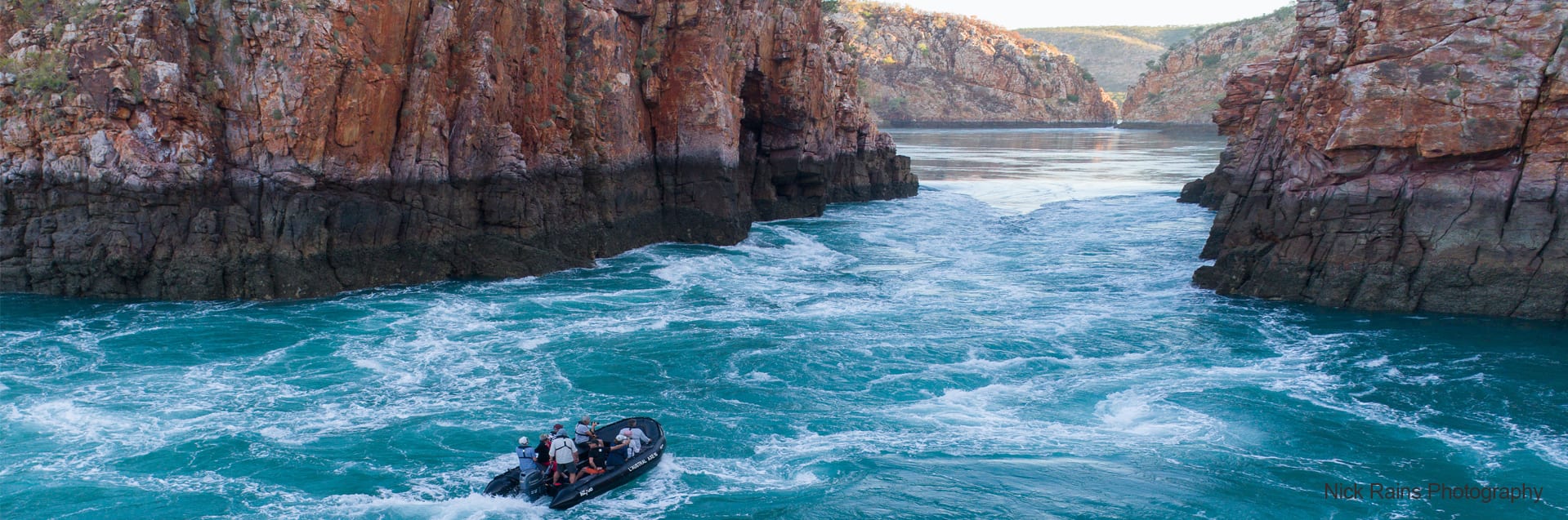
Kimberley Coast, Australia – Remote and rugged, the Kimberley is known for its stunning, untouched landscape. Expeditions cruise here from April to October and is the most popular expedition destination Cruise Express book.

Antarctica – Antarctica cruises continue to be highly sought after for the chance to see majestic icebergs, penguins, whales and polar wildlife up close. The Antarctic season runs from November to March.

Arctic – Cruising around the Arctic regions of northern Norway, Greenland, Iceland and Canada allows passengers to see glaciers, fjords and potential northern lights. Peak season is June to August.

Galapagos Islands – This unique Ecuadorian archipelago with its abundance of wildlife and bird species remains a bucket list destination. The best time to visit is typically December to May.

Alaska – Cruising along Alaska’s coastline and glaciers is a popular way to see majestic sights like Glacier Bay, Denali and the Inside Passage. The main cruising season is May to September.

South Pacific – Remote island nations like Papua New Guinea, Solomon Islands and Fiji that offer stunning beaches and exotic cultures are increasing in popularity as expedition destinations. The dry season from May to October is best.

Call us on 1300 766 537 or email info@cruiseexpress.com.au if you would like to discuss an expedition cruise adventure today.